



New Product Release – Existent Gum Tester (ASTM D381) & Oxidation Stability Tester (ASTM D2272) Now Available
We are pleased to announce the expansion of our petroleum testing instrument line with two new essential solutions: the Existent Gum Tester compliant with ASTM D381, and the Lubricating Oils Oxidation Stability Tester compliant with ASTM D2272 (Rotating Pressure Vessel Method / Rotating Bomb Method). These instruments address critical quality control needs in aviation fuel, motor gasoline, turbine oil, and transformer oil testing.
Product 1: Existent Gum Tester – ASTM D381
Why Existent Gum Testing Matters
Existent gum refers to the residue formed when fuel evaporates. High gum content in aviation fuels or motor gasolines can cause induction-system deposits and sticking of intake valves. While low gum levels generally ensure trouble-free operation, regular testing is essential for fuel quality assurance, particularly for aviation turbine fuels where large quantities of gum indicate contamination by higher boiling oils or poor handling practices downstream of the refinery.
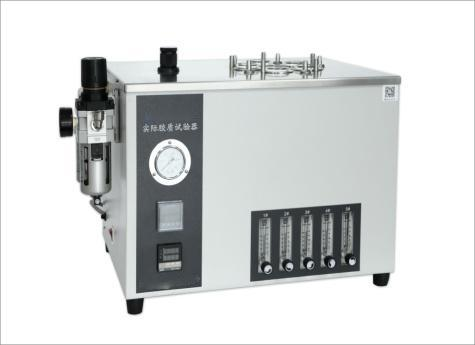
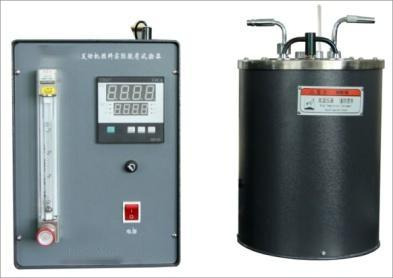
Our Existent Gum Tester is designed and manufactured in compliance with ASTM D381, ISO 6246, IP 131, and GB/T 8019 standards, utilizing the jet evaporation method.
Key Specifications:
| Parameter | Details |
|---|---|
| Compliance | ASTM D381, ISO 6246, IP 131, GB/T 8019 |
| Evaporation Method | Air-jet (gasolines) / Steam-jet (turbine fuels) |
| Test Holes | 3 or 5 positions available |
| Bath Type | Aluminum block bath or oil bath |
| Working Temperature | 60°C – 165°C (adjustable) |
| Power Supply | AC 220V ±10%, 50 Hz |
Primary Applications:
Aviation fuels (jet fuel, aviation gasoline)
Motor gasolines (including oxygenated fuels with alcohol and ether type oxygenates)
Other volatile distillates in finished form
Refinery quality control
Third-party testing laboratories
Product 2: Lubricating Oils Oxidation Stability Tester – ASTM D2272 (Rotating Bomb Method)
Why Oxidation Stability Testing Matters
Oxidation stability is a critical performance indicator for lubricating oils. As oils oxidize, they form sludge, varnish, and acids that can damage equipment and shorten service life. The Rotating Pressure Vessel Oxidation Test (RPVOT) , also known as the Rotating Bomb Oxidation Test (RBOT) , accelerates the oxidation process under controlled conditions to predict the remaining useful life of turbine oils, transformer oils, and other lubricants. This method is a standard part of in-service oil analysis programs, helping clients determine when to change lubricants and avoid equipment failure.
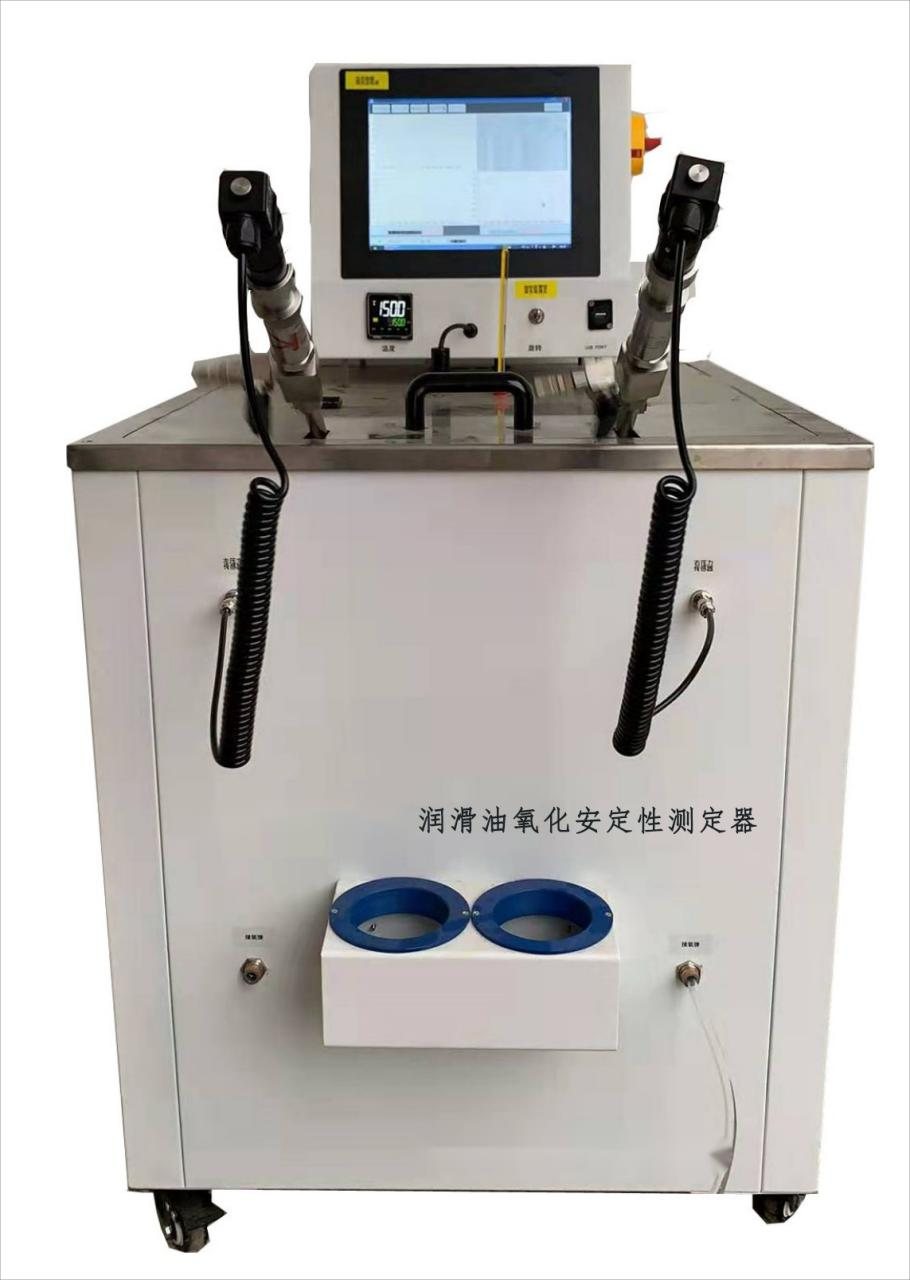
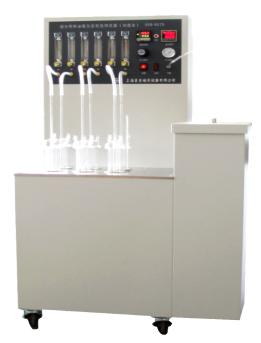
Our Oxidation Stability Tester is designed and manufactured in compliance with ASTM D2272, ASTM D2112, ASTM D4742, IP 229, and SH/T 0193 standards.
Key Specifications:
| Parameter | Details |
|---|---|
| Compliance | ASTM D2272, D2112, D4742, IP 229, SH/T 0193 |
| Test Principle | Rotating Pressure Vessel Method (Rotating Bomb) |
| Bomb Positions | 2 or 4 positions available |
| Rotation Speed | 100 ± 3 / 100 ± 5 RPM |
| Rotation Angle | 30° relative to water/air bath surface |
| Temperature Range | Ambient – 200°C (continuously adjustable) |
| Temperature Accuracy | ±0.1°C |
| Pressure Range | 0 – 1.6 MPa (0 – 1380 KPa) |
| Pressure Accuracy | ±2‰ |
| Heating Method | Oil bath or dry air bath (dry type available – no silicone oil required) |
| Control Interface | Touchscreen with real-time pressure & temperature curves |
| Data Storage | Up to 100 experimental records (or more) |
Primary Applications:
Turbine oils – New and in-service steam and gas turbine oils with identical composition (base oil and additives)
Transformer oils – Mineral insulating oils, particularly those containing 2,6-di-tert-butyl-p-cresol or similar antioxidants, serving as a rapid assessment method for oxidation stability
Automotive gasoline engine oils – Screening test for formulation development
Condition monitoring – Predicting remaining useful life and optimizing oil change intervals
R&D – Evaluating new additive formulations and base oil combinations
Technical Highlights:
Multi-position testing – Run 2 or 4 bombs simultaneously for higher throughput and parallel experiments
Independent control – Each bomb position can be operated independently (select models)
Real-time monitoring – Pressure and temperature curves displayed on screen throughout the test
Automated detection – Automatic oxygen bomb leak testing and pressure recording
Data management – Comprehensive reporting and export capabilities
Safety features – Over-temperature protection, safety cover interlock, exhaust ventilation
Language options – English and Chinese interface available
Wet or dry heating – Choose between traditional oil bath or maintenance-free dry air bath heating
Why Choose Our Instruments?
| Feature | Benefit |
|---|---|
| In-house R&D & Manufacturing | Direct technical support and fast customization |
| ASTM/ISO Compliance | Meets global standards – accepted by international regulators and customers |
| Multiple Configurations | Choose manual, semi-automatic, or fully automatic models |
| OEM / Private Label Ready | Sell under your own brand with your specifications |
| Lifetime Free Software Updates | New features and compliance updates included |
| Global Export Experience | Proven track record with clients worldwide |
Customization and Support
As a manufacturer, we offer:
User interface language customization (English, Russian, Arabic, etc.)
Private label branding for OEM partners
Specific hardware configurations to meet unique testing requirements
Comprehensive technical documentation and application guidance
Installation support and after-sales service
Get in Touch
To learn more about our Existent Gum Tester, Oxidation Stability Tester, or to discuss your specific requirements, please visit our website or contact us directly.


